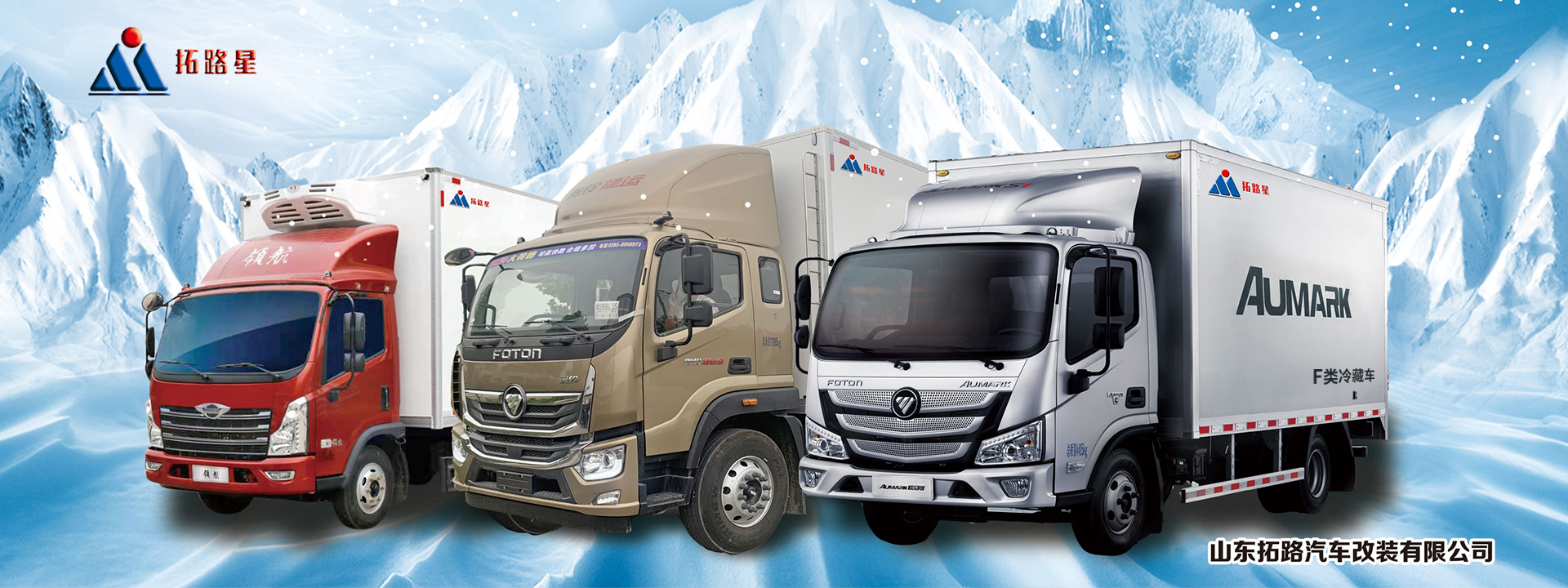
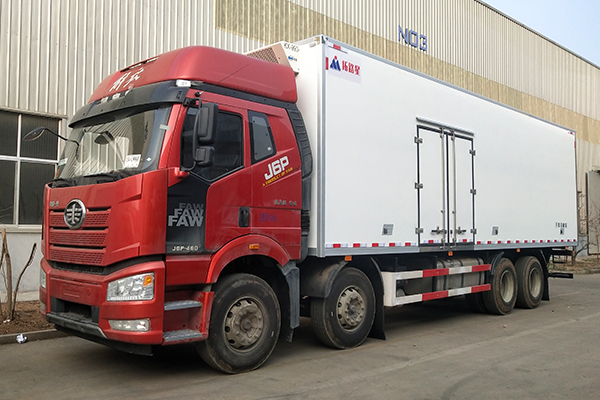
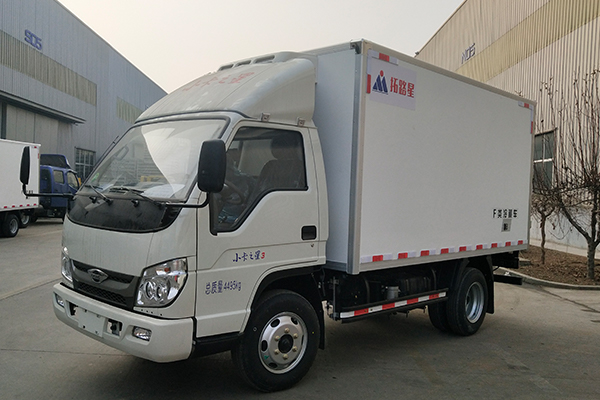
Key points of refrigerated vehicle maintenance
One requirement is that trailers used to transport food must maintain the temperature required to transport the product safely. By keeping a proper temperature, drivers can prevent food from spoiling or being contaminated by bacteria or fungi.
2. Routine inspection
In addition to the pre and post trip inspections required by TSA, drivers should also regularly inspect refrigerated trailers and refrigerated equipment. This includes front and back traffic and travel.
The driver should measure and calibrate the refrigeration equipment manually to ensure the normal operation of the compressor. The driver must also understand the functions of the condenser and evaporator in order to identify mechanical faults on the road. During the inspection, the driver should pay attention to the oil leakage of the engine and compressor.
According to the 1500 hour maintenance plan or engine life cycle, the belt and hose of the refrigeration unit need to be replaced. This is the key to prevent cross-border failure and loss of refrigerated goods.
3. Keep the tank full
This involves the driver's commitment to the next cooling process. The refrigeration unit is driven by diesel, so it is expected to use more fuel than a dry truck trailer without power.
4. Clean the vehicle
When your drivers have finished transporting food, especially meat or fish, they need to clean the trailer. Cleaning or truck cleaning ranges from simple trailer floor cleaning to comprehensive dynamic cleaning of nearby truck cleaning sites to prevent the following refrigerated truck repair problems.
5. Prevention of contamination and cross contact
Chongqing refrigerated truck drivers must prevent contamination or cross contact with raw food. This first requires keeping the trailer clean, but it extends to safe food transportation practices. Another growing problem that must be prevented is cross contamination of known food allergens.
6. Food safety
Carriers and drivers must complete food safety transportation training. The training includes healthy transportation practices, such as how to handle concentrated fruit juice in large-scale transportation or minimize the hazards of microbial food.